
Better Patient Care Starts in the Patient Room
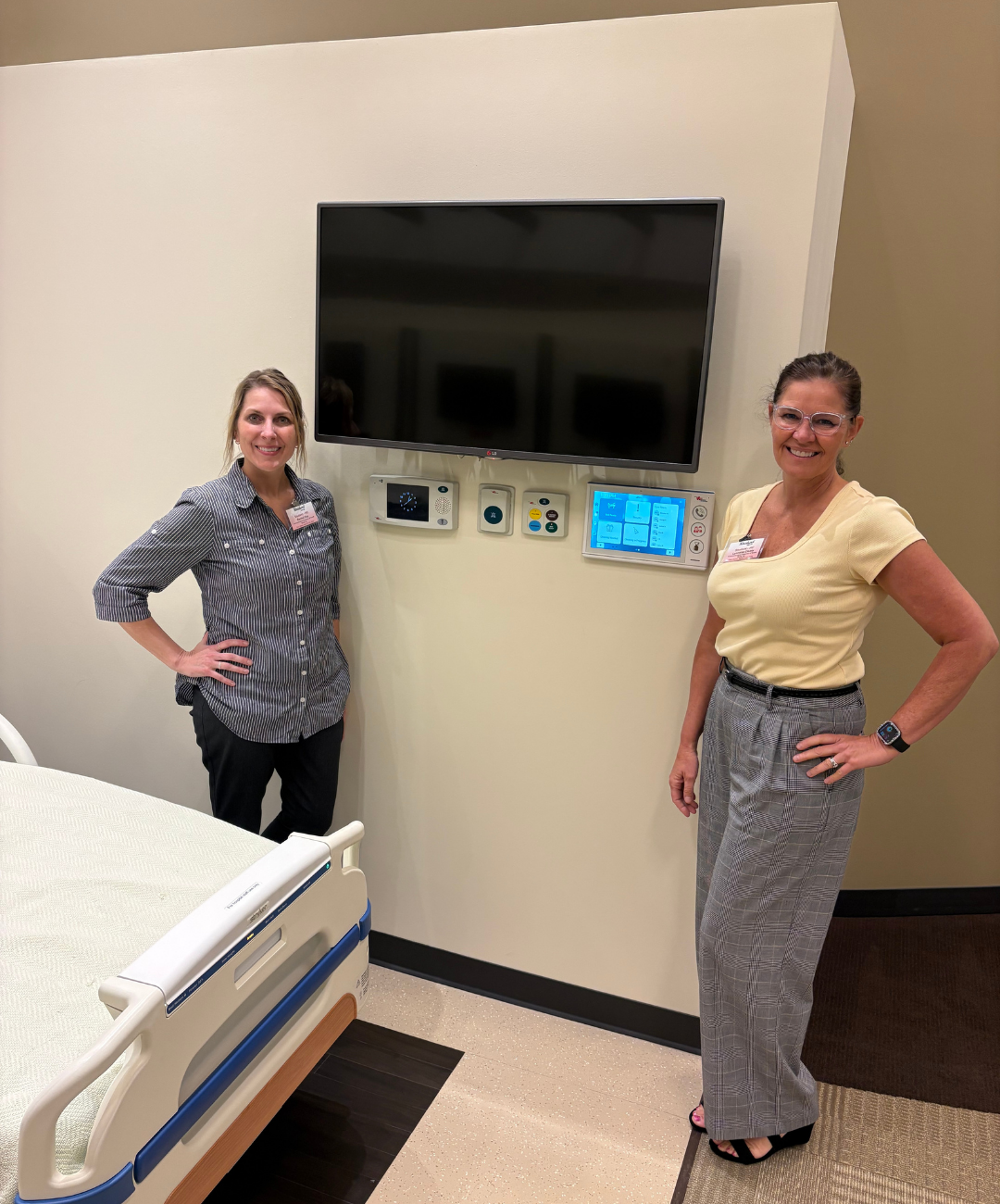
When people think about patient care, they often picture nurses responding quickly to alarms, physicians making rounds, or teams coordinating at the nurses' station.
But according to Communication Company's Clinical Application Specialist, Rachel Day, BSN, RN, WCC, the patient experience begins somewhere much simpler.
It begins in the patient room.
"The patient experience doesn't begin at the nurse's station or in a report; it begins in the patient room," says Day. "When the patient experience is designed to fit their needs, they feel heard."
That perspective is shaping how hospitals think about nurse call technology. Modern nurse call systems are no longer just communication tools—they're an essential part of the patient experience and clinical workflow.
Every Interaction Matters
When a patient presses a pillow speaker, they're not just activating a device.
They're asking for help.
Whether they need pain management, assistance getting out of bed, or reassurance from a caregiver, that first interaction sets the tone for their experience.
"The pillow speaker, wall stations, lights, and displays are not just devices," Day explains. "They are the patient's primary voice. When these tools are intuitive and reliable, patients feel heard the moment they ask for help."
Technology that is difficult to use, poorly maintained, or disconnected from clinical workflows can create frustration for both patients and staff. Conversely, systems that are thoughtfully designed and properly optimized help improve communication, reduce unnecessary delays, and support more responsive care.
Supporting the Clinical Team
As hospitals continue to face staffing challenges and increasing demands on caregivers, every minute matters.
Communication technology should reduce complexity—not create it.
"Our goal is to create a plan that optimizes the use of nurse call devices to give valuable time back to the clinical team, support meaningful rounding, enhance direct patient care, and improve visibility into patient-initiated calls," says Day.
Rather than simply installing equipment, Communication Company works alongside healthcare organizations to help ensure their communication systems align with clinical workflows and operational goals. Optimization can help teams prioritize patient needs more effectively, improve visibility into requests, and streamline communication throughout the care environment.
Investing in Clinical Expertise
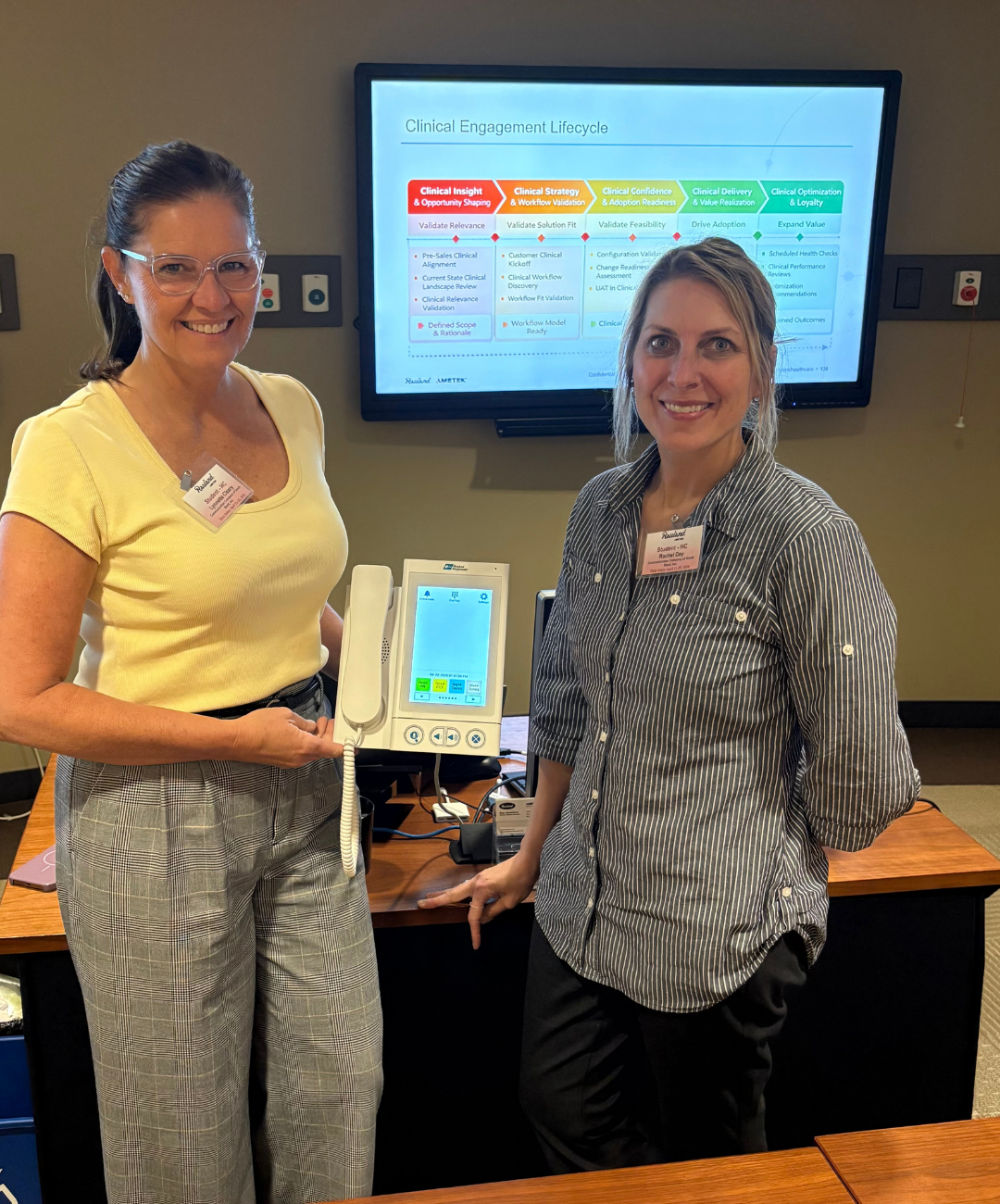
To better support healthcare customers, Communication Company's clinical team continually invests in specialized education and industry training.
Recently, Clinical Application Specialist Rachel Day and Healthcare Account Manager Lynnetta Cleary completed Rauland's Clinical Insights: Presales & Optimization certification at the Rauland Solution Center in Mt. Prospect, Illinois.
The program focused on clinical workflows, hospital operations, enterprise goals, optimization strategies, and outcomes-based solutions—providing additional insight into how communication technology can better support both caregivers and patients.
That investment reflects Communication Company's commitment to understanding healthcare environments from a clinical perspective, helping hospitals maximize the value of their communication systems long after implementation.
As healthcare continues to evolve, technology alone isn't enough. The greatest impact comes when technology, clinical expertise, and patient-centered design work together to support safer, more efficient care.
At Communication Company, that's exactly the goal.
Is your nurse call system supporting the way your clinical team works today?
Whether you're planning a new healthcare facility, upgrading an existing system, or looking to optimize your current nurse call solution, Communication Company combines technical expertise with clinical insight to help healthcare organizations improve communication, support caregivers, and enhance the patient experience.
Learn more about our healthcare communication solutions or contact our team to start the conversation.
