

ComCo Life Safety and Security Resources
Search now for our trusted articles, resources, and links for securing your people and your workplace.

Pavion Expands Midwest Presence Through Acquisition of Communication Company
Communication Company of South Bend, Indiana is now part of Pavion, bringing together 50 years of trusted local service with expanded resources and capabilities in fire and life safety, security, critical communications, audiovisual technology, and integrated solutions.
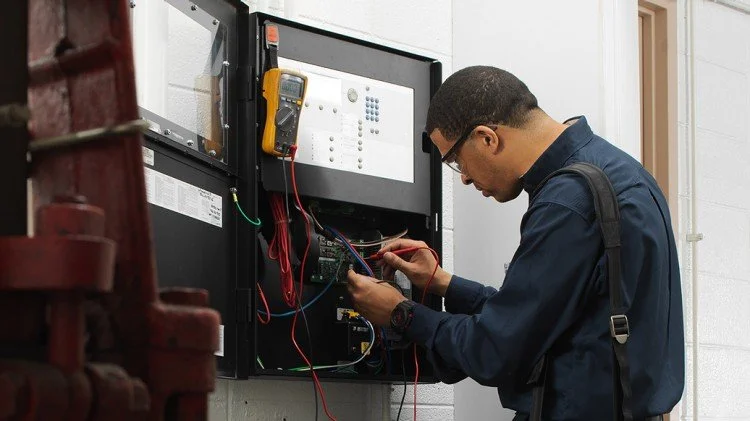
Before the Alarm: What Emergency Preparedness Looks Like for Your Building Systems
Emergency preparedness is about more than having a plan. Learn how inspections, testing, emergency communications, monitoring, and preventive maintenance help keep critical building systems ready before they’re needed.

Where It All Began: From House and Garage to 50 Years Strong
Go back to where it all began. As Communication Company celebrates 50 years, we're sharing the story of Vern McCain, Tibor Folding and Barry Schleiger—from the company's earliest days to the relationships, hard work and commitment to customers that helped shape Communication Company into the life safety, security and communications partner it is today.
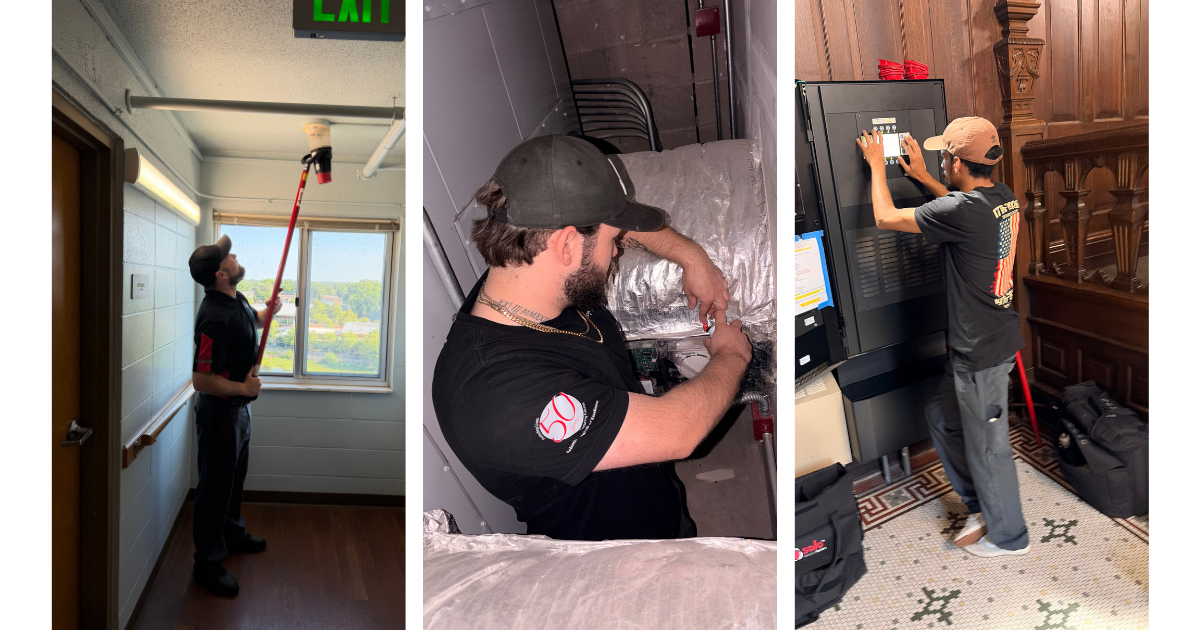
Meet Our Inspectors: Three Perspectives, One Goal
Go behind the scenes with Communication Company's inspection team as they prepare K-12 schools for a safe start to the school year. Learn how proactive fire alarm inspections, testing, and preventive maintenance help schools stay compliant, protect students and staff, and ensure life safety systems are ready before the first bell.
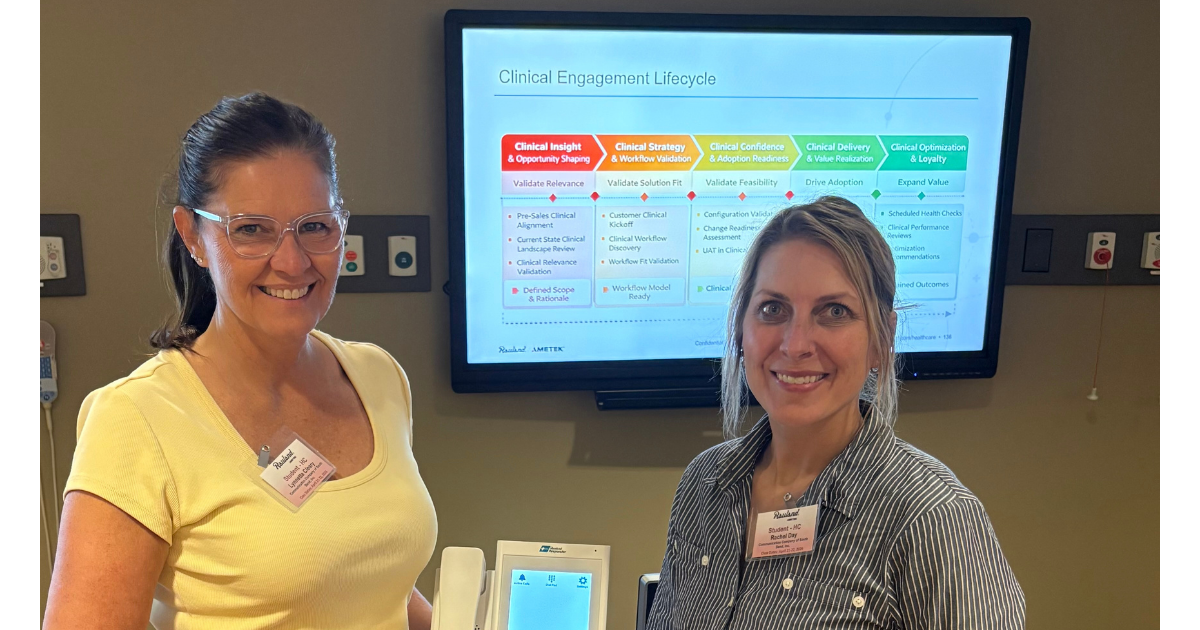
Better Patient Care Starts in the Patient Room
Learn how Communication Company helps healthcare facilities improve patient care with Rauland nurse call systems, clinical expertise, and integrated life safety and security solutions. Rachel Day, BSN, RN, shares how optimized communication technology supports caregivers, enhances patient experiences, and improves clinical workflows.
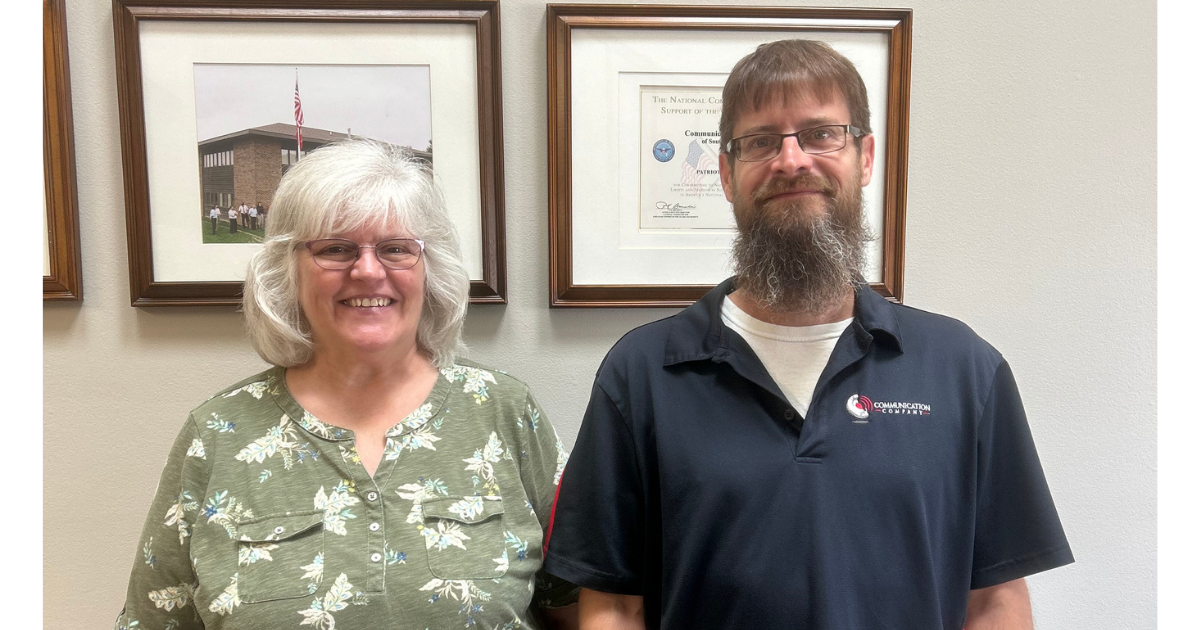
The People Behind the Protection: A Legacy of Employee Dedication
As Communication Company celebrates 50 years, discover the employees whose dedication, expertise, and long-term commitment have helped build a legacy of trusted communication, life safety, and security solutions.
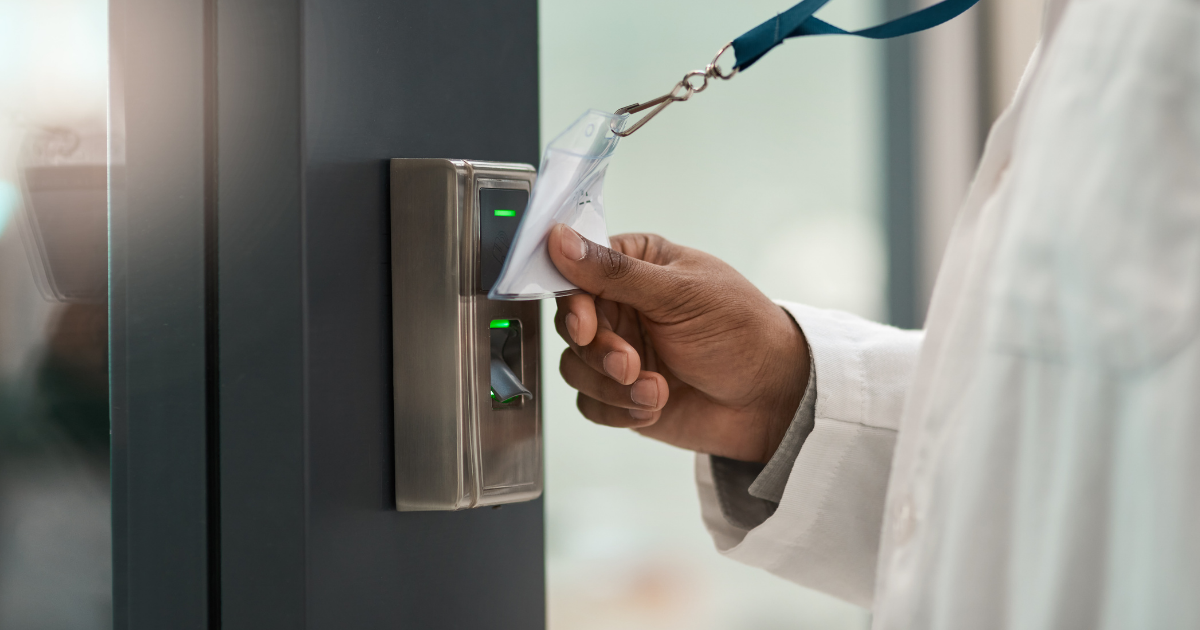
If It Slows Down, It’s Already a Problem
Emergency readiness isn’t about whether your systems work—it’s about how consistently they perform. Learn how small system changes can create risk over time.

You Don’t Want to Wonder if It’s Working
School safety doesn’t start in an emergency—it starts with systems that work the way people expect them to, every day. Here’s why small changes often go unnoticed, and how they can impact confidence when it matters most.

Patient Safety Starts Before the Emergency
Patient safety depends on more than fast response—it depends on systems that work consistently every day. Here’s why routine testing, maintenance, and communication reliability play a critical role in emergency preparedness across healthcare environments.

Still Using Keys? Why Spring Is the Right Time to Rethink Access Control
Keys may be familiar, but they’re no longer enough. Here’s why spring is the perfect time to upgrade to a smarter, more flexible access control system.

Spring Into Security: A Smarter Way to Maintain Your School Safety Systems
Spring is a natural checkpoint for school safety. From access control to emergency communication, here’s how to make sure your systems are ready for the months ahead.
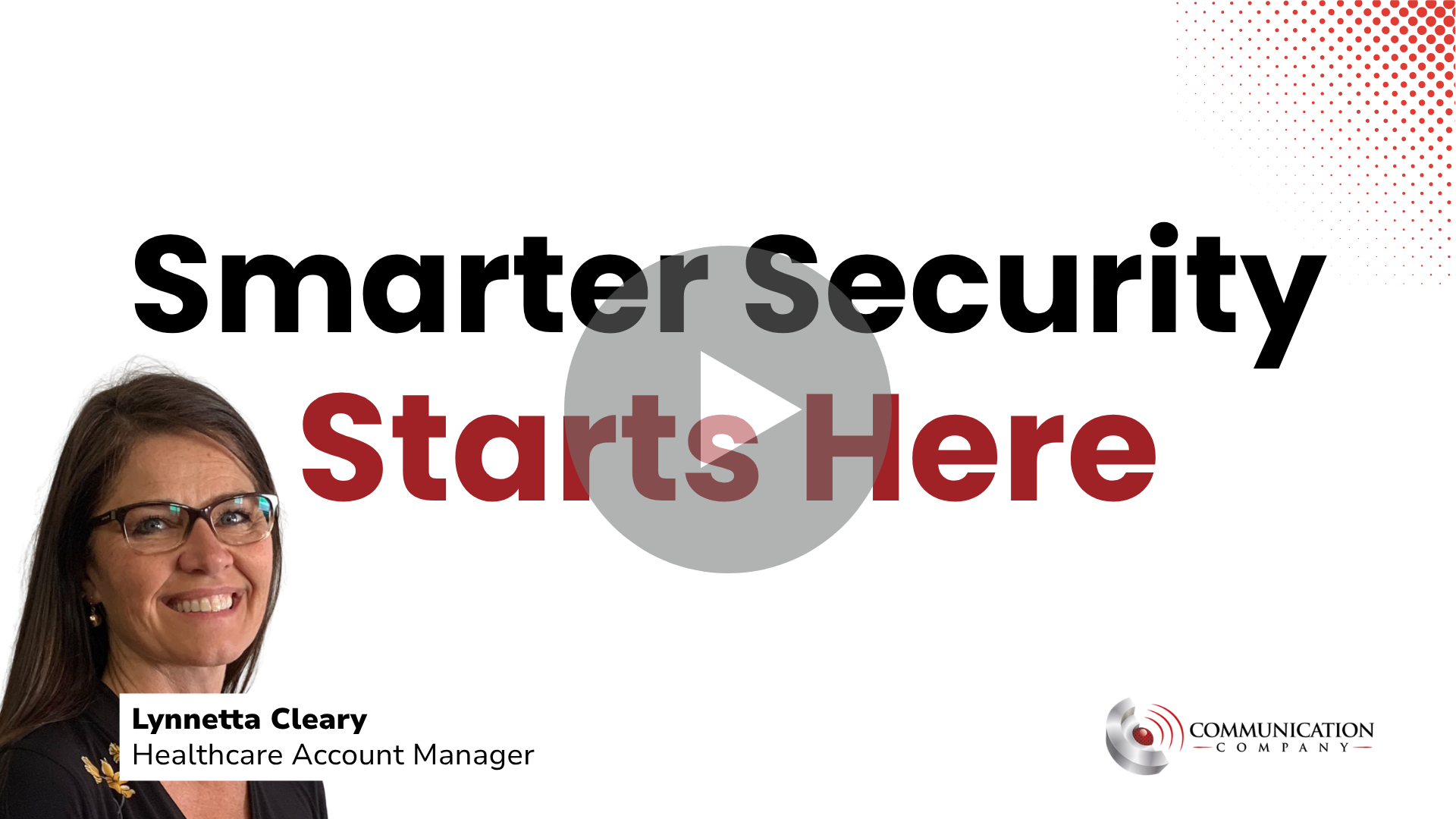
Smarter Healthcare Security Starts with Seeing the Full Picture
Healthcare security doesn’t usually fail all at once—it shows up in small moments. Communication Company of South Bend shares how connecting access control and video systems helps healthcare facilities stay aware, responsive, and prepared.
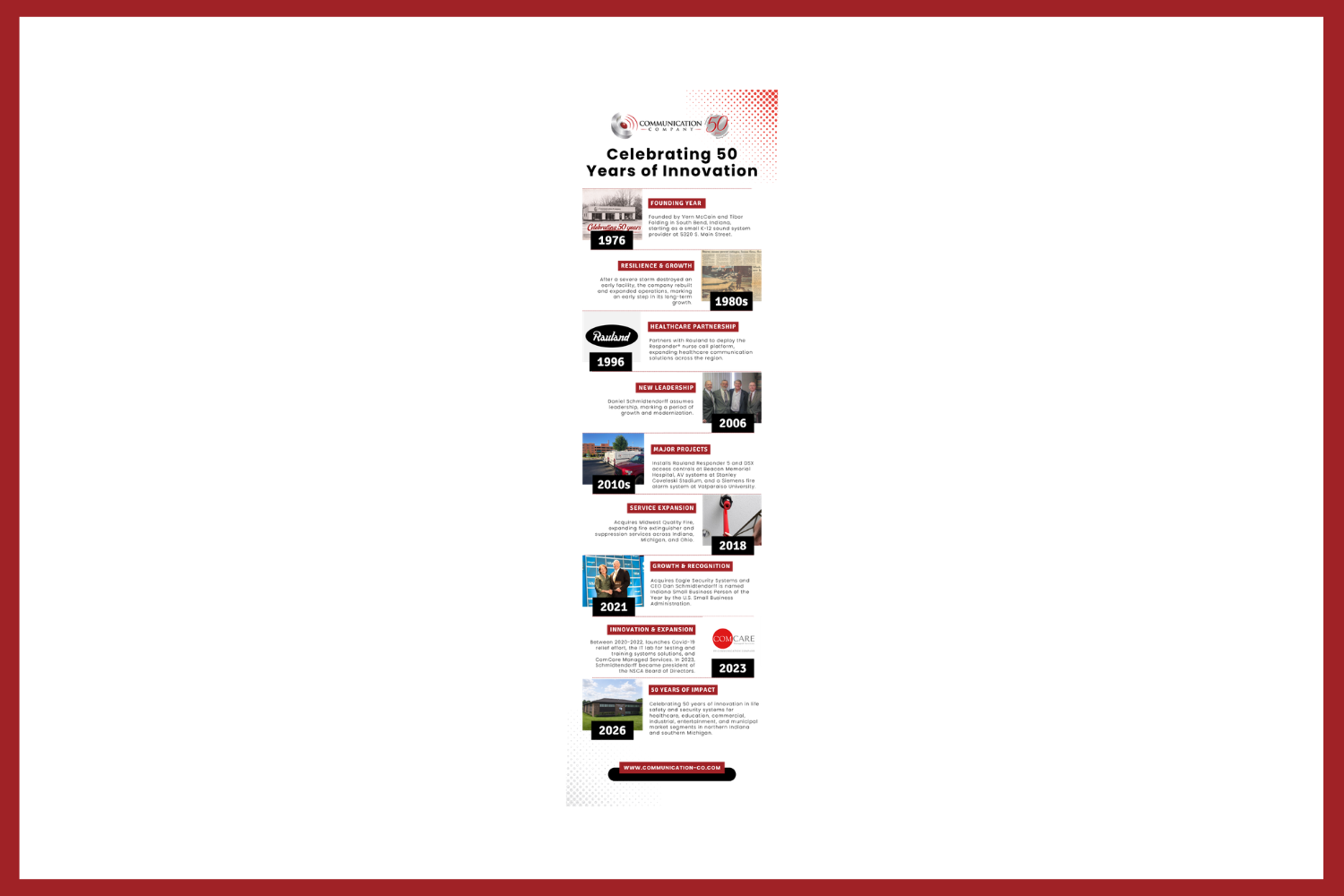
50 Years of Innovation: A Timeline of Communication Company
Explore a visual timeline of Communication Company’s 50-year journey, highlighting key milestones, partnerships, and growth across life safety, security, and communication systems.

Celebrating 50 Years of Innovation: The History of Communication Company of South Bend
Celebrating 50 years of innovation, Communication Company of South Bend reflects on its history of delivering integrated safety, communication, and technology solutions to schools, healthcare facilities, and commercial organizations.

1986 Flashback: Communication Company Featured in Storm Coverage
A Friday afternoon downpour dumped nearly two inches of rain on Michiana, flooding streets and intersections, and knocking out electric power in several northern Indiana communities.
Lightning was blamed for two house fires in the South Bend area.
A building under construction south of South Bend collapsed when hit by gusting winds.
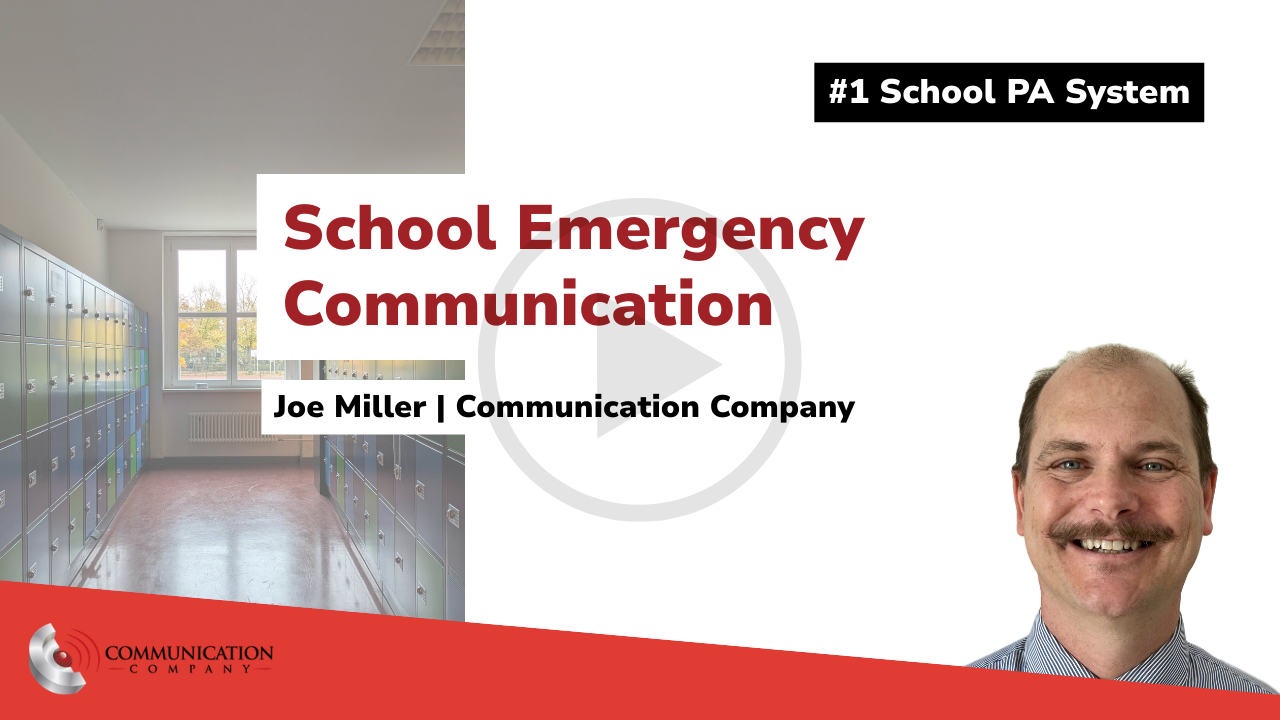
When Seconds Matter: How Modern PA & Alert Systems Strengthen School Readiness
Modern schools need more than announcements. Learn how Communication Company helps districts strengthen emergency communication, initiate lockdowns faster, and build true campus readiness with integrated Rauland Telecenter U PA and alert systems.

Operational Readiness in 2026: Why Industrial Facilities Are Rethinking Communication & Monitoring
Discover how commercial and industrial facilities can improve operational readiness through integrated access control, video surveillance, and facility-wide communication systems.

Clinical Readiness in 2026: Why Healthcare Communication Must Go Beyond Nurse Call
Learn how Rauland Responder Enterprise, implemented by Communication Company of South Bend, Indiana, helps healthcare facilities modernize nurse call systems, improve clinical communication, and strengthen emergency response coordination.
Clear Communication for Schools: A Former Educator’s Perspective
As a former educator, Joe Miller understands why reliable PA, fire alarm, and access systems are essential for safer schools. Here’s what effective school communication really looks like.
CASE STUDY: How Keller ISD Centralized Emergency Communication Across 43 Campuses
See how Keller ISD centralized emergency communication across 43 campuses using Rauland Telecenter U®. This case study highlights how integrated PA and alert systems improve district-wide coordination, streamline schedules, and strengthen campus safety readiness.