
Reducing Alarm Fatigue in Healthcare: A 7-Step Guide to Smarter Fire Alarm Management
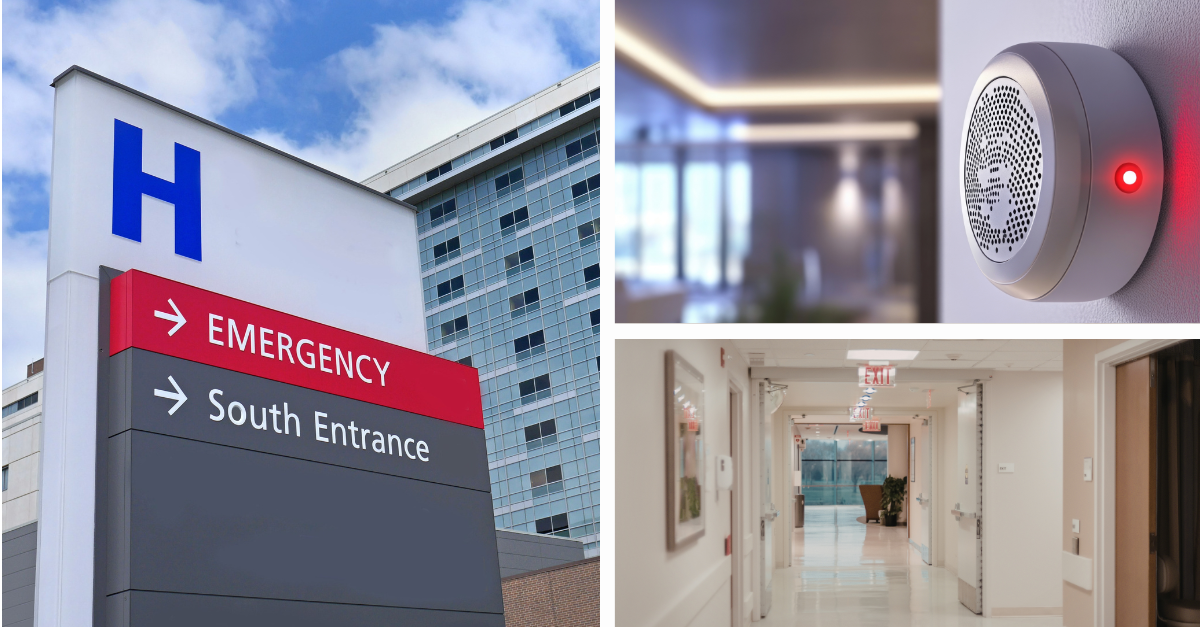
In healthcare environments, fire alarm systems serve a critical purpose — but when they are poorly managed, they can create unintended risk. Frequent false alarms, unclear escalation paths, and disconnected systems can contribute to alarm fatigue, delayed responses, and unnecessary disruption in already high-pressure settings.
Hospitals face unique challenges when it comes to fire safety. Patients with limited mobility, oxygen-rich environments, and complex facility layouts all raise the stakes. At the same time, healthcare staff are navigating constant alerts from clinical systems, making it essential that fire alarms are accurate, actionable, and trusted.
Improving fire alarm management isn’t just about meeting code requirements. It’s about creating safer, more efficient environments that support staff and protect patients.
Below is a practical, seven-step approach healthcare facilities can use to strengthen fire alarm performance while reducing unnecessary noise and operational strain.
Step 1: Identify Where the System Is Struggling
The first step is understanding how your current system behaves in real-world conditions. This means looking beyond reports and spending time observing how alarms occur, how staff respond, and where delays or confusion arise.
Common issues include:
False activations from environmental factors
Alerts that lack clear location or context
Notifications that reach too many — or too few — people
An on-site assessment helps surface these gaps before they become safety risks.
Step 2: Establish a Clear Baseline
To improve alarm performance, facilities need a starting point. Track metrics such as:
Alarm frequency
Response times
Types of alarms triggered
Disruptions to care areas
This data helps leadership understand the scope of the issue and provides a foundation for evaluating improvement over time.
Step 3: Redesign the Alarm Flow
Not every alert requires the same level of response. Effective fire alarm management focuses on prioritization.
Strategies may include:
Filtering out transient or low-risk triggers
Escalating alerts based on location or severity
Coordinating alarms with building systems to reduce unnecessary activations
A well-designed alarm flow ensures that when an alert sounds, staff know it matters.
Step 4: Clarify Alert Content and Escalation
Fire alarms should provide clear, usable information. Alerts are most effective when they communicate:
Where the issue is occurring
What triggered the alarm
Who is responsible for responding
Defining escalation paths in advance — and aligning them with clinical workflows — reduces confusion during critical moments.
Step 5: Train Staff and Reinforce Confidence
Even the best system won’t succeed without staff confidence. Training should focus on:
What alerts mean
How responses differ by scenario
Why fewer, smarter alarms improve safety
Short, targeted training sessions and realistic drills help rebuild trust in the system and reduce alarm fatigue.
Step 6: Measure Impact and Adjust
After changes are implemented, facilities should revisit their original metrics. Has alarm volume decreased? Are response times improving? Are staff reporting fewer disruptions?
Regular review allows teams to fine-tune settings and address new challenges as workflows evolve.
Step 7: Commit to Ongoing Oversight
Fire safety systems require continuous attention. Facility changes, new equipment, and evolving regulations all affect system performance.
Ongoing monitoring, regular inspections, and proactive maintenance help ensure systems remain reliable — not just compliant — over time.
Why Fire Alarm Management Matters in Healthcare
Hospitals are dynamic environments where seconds matter. Fire alarm systems that generate excessive noise or unclear alerts can undermine safety rather than support it.
By taking a structured, proactive approach to fire alarm management, healthcare facilities can:
Reduce false alarms
Improve response times
Support staff under pressure
Create safer environments for patients and caregivers
At Communication Company, we work with healthcare organizations to design, manage, and support fire and life safety systems that align with real-world healthcare operations — not just minimum requirements. Visit our dedicated Healthcare or Fire Safety pages today to learn more about our life safety and security solutions.
