
Fire Safety in the Classroom: Building Safer K-12 Schools Through Codes, Awareness, and Smarter Technology
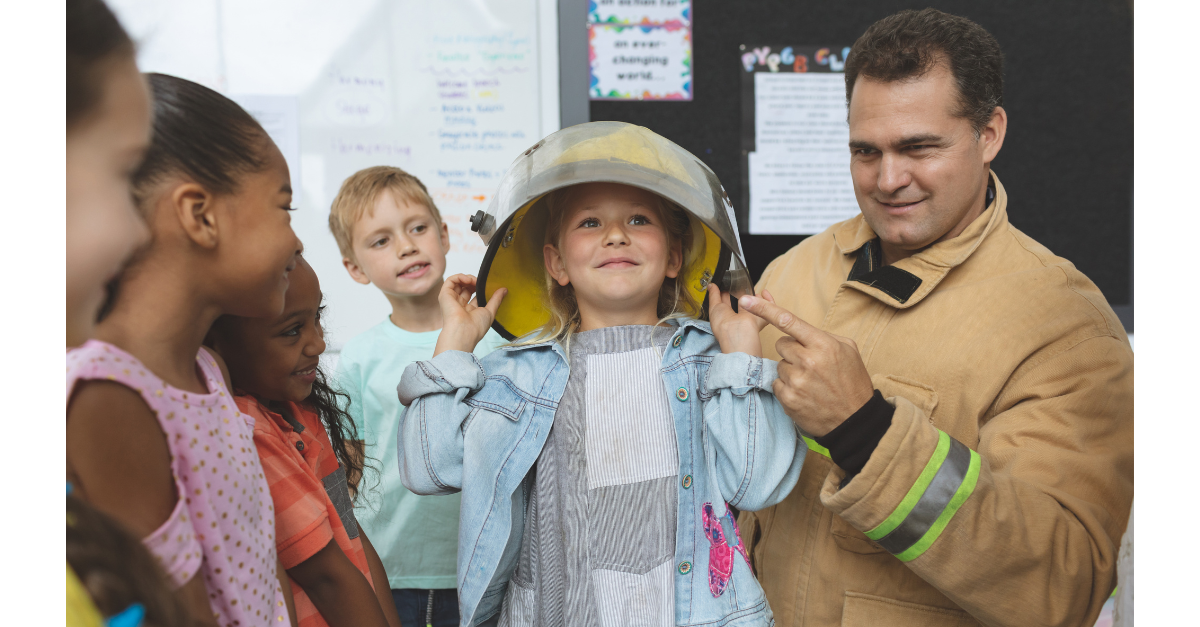
Every school day, millions of students enter classrooms assuming they’re safe. But fire safety in K-12 environments requires more than assumption — it demands awareness, training, compliance, and modern protection systems working together.
The National Fire Protection Association (NFPA) reports that U.S. fire departments respond to thousands of school-related fires each year, often involving electrical issues, cooking equipment, and storage hazards. And while catastrophic school fires are far less common today thanks to better construction and codes, daily fire risks in classrooms remain real — and completely preventable.
At Communication Company, we help schools take a proactive, code-compliant approach to fire safety by combining education, best practices, and intelligent fire protection technology like Siemens Fire Safety Solutions.
Common Fire Risks in K-12 Schools — and Why Codes Matter
Classrooms are complex environments filled with students, electrical equipment, art supplies, and teaching materials. According to the NFPA, the most common classroom fire hazards include:
1. Blocked Egress Routes
The NFPA repeatedly stresses that hallways, classroom doors, and exit pathways must remain unobstructed. Clutter — such as backpacks, storage bins, or long-term class projects — slows evacuation and violates NFPA 1, Section 14.
2. Excessive Wall and Ceiling Decorations
Many teachers decorate classrooms heavily, but NFPA notes that overdecorated surfaces can increase fire spread. Combustible artwork, papers, and fabrics are limited to a percentage of wall area (20% in non-sprinklered buildings and 50% in fully sprinklered buildings).
3. Improper Storage of Flammable Supplies
Art rooms, labs, and custodial areas often store chemicals, paints, and aerosols. These materials should be housed in approved safety cabinets, not in classrooms or open shelves.
4. Misused Extension Cords and Power Strips
The NFPA stresses that extension cords cannot be used as permanent wiring. Overloaded strips, daisy-chained power adapters, and old cords are leading causes of school electrical fires.
5. Fire Doors Propped Open
Fire-rated doors must never be held open with wedges, furniture, or magnets unless equipped with approved automatic hold-open devices tied to the fire alarm system.
When these issues go unchecked — especially in older school buildings — the risk escalates quickly.
Top Fire Safety Tips for Classrooms and K-12 Facilities
Blending NFPA guidance with practical school protocols, here are the most important actions schools can take immediately:
Keep all exits and corridors clear: No furniture, storage, decorations, or student belongings may block hallways or restrict door swing.
Follow decoration limits: Use flame-resistant materials when possible and keep displays away from heat sources, sprinklers, and alarms.
Inspect electrical systems regularly: Only use UL-listed power strips with built-in surge protection. Never daisy-chain. Replace damaged cords immediately.
Conduct regular evacuation drills: Every classroom should practice evacuation multiple times a year and review alternate routes.
Maintain fire doors and shut them fully: Doors must close and latch automatically. Report any malfunctioning hardware.
Store chemicals safely: Science rooms and custodial closets must use NFPA-approved cabinets.
Keep fire detection unobstructed: Do not hang decorations or equipment that could block smoke detectors or sprinklers.
Train staff and empower rapid reporting: Teachers and administrators should know how to spot and act on fire hazards immediately.
Smarter Protection With Siemens Fire Safety Solutions
Compliance and awareness are essential — but technology is the backbone of modern K-12 fire protection. Communication Company partners with Siemens, a global leader in smart fire detection, to bring schools the tools they need for rapid detection, coordinated evacuation, and campus-wide visibility.
Why Siemens Stands Out for Schools
Early and Accurate Detection: Advanced sensors distinguish between real threats and nuisance triggers (e.g., dust, aerosols), reducing disruptions and false alarms.
Integrated Voice Evacuation: PA systems link with fire alarms to deliver clear, building-wide instructions — critical during student evacuations.
Centralized Campus Monitoring: Siemens panels allow school districts to monitor multiple buildings from a single interface.
Automatic Fire Door Release: Code-compliant door holders release and close during alarm activation — eliminating dangerous propped-open door issues.
ComCare Managed Services: Continuous monitoring and maintenance ensure fire protection systems stay operational, inspected, and compliant year-round.
For schools juggling tight budgets and aging infrastructure, Siemens solutions provide scalable, long-term safety that grows with educational needs.
Building a Culture of School Fire Safety
Fire safety isn’t just about equipment — it’s about habits, leadership, and shared responsibility. The NFPA emphasizes that a culture of safety is built when:
Administrators enforce annual inspections
Teachers follow classroom safety protocols
Maintenance teams address hazards promptly
Students are trained and involved
Technology is properly maintained and monitored
At Communication Company, we partner with schools to strengthen that culture — integrating fire detection, emergency communication, and managed support so safety is never an afterthought.
Because every child deserves a safe place to learn, and every educator deserves peace of mind.
Siemens Fire Safety Solutions for K-12 Schools
Explore our fire safety solutions for K-12 schools, including Siemens fire alarm systems, detection and notification solutions, extinguishers, testing and inspection, and more.
