
If It Slows Down, It’s Already a Problem
The Kind of Issue No One Reports
There’s a category of problem that almost never gets logged, submitted, or escalated—not because it doesn’t exist, but because it doesn’t feel serious enough to stop what you’re doing.
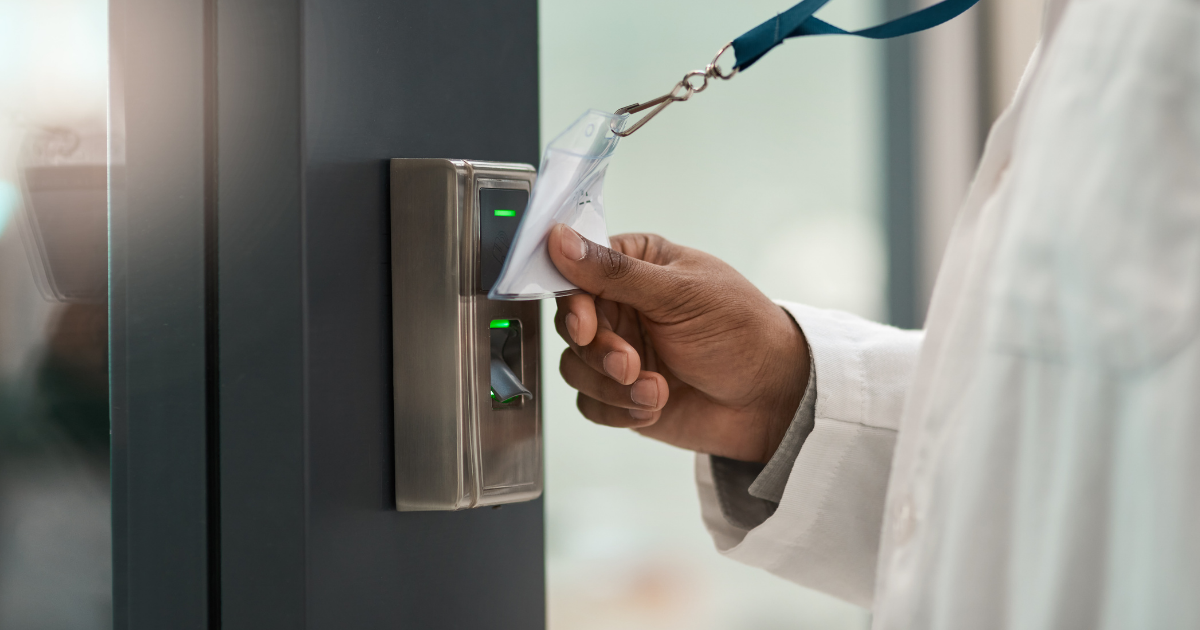
A door still unlocks, but it takes just long enough to make someone pause. A badge works, but not on the first attempt. A system responds, but not with the same speed or consistency people are used to.
Individually, these moments don’t seem worth calling out. Operations continue, people adjust, and the issue quietly becomes part of the routine.
That’s usually where it starts.
When “Working” Isn’t the Same as Reliable
In most commercial and industrial environments, systems aren’t expected to be perfect—but they are expected to be predictable. People rely on them without thinking about how they function, because consistency is what allows everything else to move efficiently.
Over time, though, that consistency can shift.
A credential doesn’t get updated as quickly as it should. A reader response slows down just enough to be noticeable. A routine check gets skipped because everything appears to be fine. None of these things interrupt the day, but they subtly change how the system behaves.
And once behavior changes, even slightly, trust begins to erode.
Not all at once, but gradually.
The Moment You Start to Notice
If you’re responsible for a facility, you’ve likely experienced this without putting a name to it.
It’s the moment where something doesn’t feel quite right, even though nothing has technically failed. You hesitate—not because you expect a problem, but because you’re no longer completely certain how the system will respond.
That hesitation is easy to ignore during a normal day. It doesn’t stop operations, and it doesn’t create urgency.
But it does introduce doubt.
And doubt, even in small amounts, has a way of showing up at the worst possible time.
Where Small Changes Become Real Risk
The challenge isn’t that systems stop working. It’s that they stop working the way people expect them to.
In a moment that requires fast decisions—whether it’s a security concern, an operational issue, or an emergency—there’s no time to question how a system will behave. People act based on what they believe will happen when they badge in, trigger a response, or rely on a process.
If that expectation is even slightly off, it slows everything down.
That’s how small inconsistencies turn into larger problems—not because they were dramatic, but because they were allowed to continue unnoticed.
What Keeps Systems Predictable
Reliability doesn’t come from installation alone. It comes from attention.
The systems that perform the best over time are the ones that are regularly checked, tested, and evaluated—not just for whether they work, but for how they work.
That means stepping back and asking questions that are easy to overlook:
Are doors responding the same way they did six months ago?
Are access levels accurate, or have they slowly drifted out of date?
Are system logs and alerts reflecting what’s actually happening on the ground?
Has anything changed in timing, response, or behavior—even slightly?
These aren’t complicated checks, but they’re the ones that reveal issues early, while they’re still easy to address.
The Difference Between Function and Confidence
There’s a meaningful difference between a system that functions and a system that people trust.
Function means it works, most of the time.
Confidence means no one thinks twice about it.
That level of confidence isn’t built into the system itself—it’s built over time through consistency, maintenance, and a willingness to take a closer look even when nothing appears to be wrong.
Because in real-world environments, people don’t adapt to systems during critical moments. They rely on them.
And what they rely on needs to be predictable.
A Simple Question Worth Asking
If you’ve noticed small inconsistencies, or if it’s been a while since anyone has taken a close look at how your systems are performing, it may be worth stepping back and asking a straightforward question:
Is everything working the way we think it is?
In many cases, that question is where the real insight begins.
Start with a Closer Look
Our ComCare team works with facilities to evaluate system performance in a practical, grounded way—looking beyond whether something technically works and focusing on how it performs day to day.
If you’re starting to notice small changes, or simply want a clearer understanding of how your systems are functioning, connect with our team or visit our ComCare page to learn more about how we help keep systems consistent, reliable, and ready when they’re needed.
